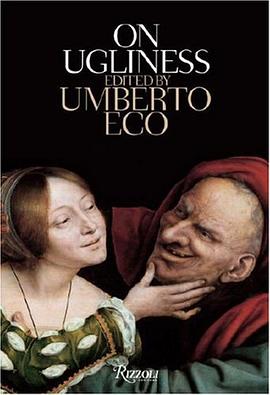
On Ugliness
内容简介
In the mold of his acclaimed History of Beauty, renowned cultural critic Umberto Eco’s On Ugliness is an exploration of the monstrous and the repellant in visual culture and the arts. What is the voyeuristic impulse behind our attraction to the gruesome and the horrible? Where does the magnetic appeal of the sordid and the scandalous come from? Is ugliness also in the eye of the beholder? Eco’s encyclopedic knowledge and captivating storytelling skills combine in this ingenious study of the Ugly, revealing that what we often shield ourselves from and shun in everyday life is what we’re most attracted to subliminally. Topics range from Milton’s Satan to Goethe’s Mephistopheles; from witchcraft and medieval torture tactics to martyrs, hermits, and penitents; from lunar births and disemboweled corpses to mythic monsters and sideshow freaks; and from Decadentism and picturesque ugliness to the tacky, kitsch, and camp, and the aesthetics of excess and vice. With abundant examples of painting and sculpture ranging from ancient Greek amphorae to Bosch, Brueghel, and Goya among others, and with quotations from the most celebrated writers and philosophers of each age, this provocative discussion explores in-depth the concepts of evil, depravity, and darkness in art and literature.
......(更多)
作者简介
Umberto Eco is a world-renowned writer of fiction, essays, and academic treatises and is undoubtedly one of the finest authors of our time. Among his best-selling novels are The Name of the Rose, Foucault’s Pendulum, The Island of the Day Before, and Baudolino.
......(更多)
目录
......(更多)
读书文摘
拉掉常识 无名氏(1-2世纪) 《伊索传》 “你能为我解释吗,我们大便的时候,为什么经常端详我们的排泄物?”伊索解释说:“从前有个国王的儿子,他因为生活安逸又奢华,大多时间坐在那里大便。有一回,他坐在那里,忘了自己在做什么,坐太久,把他的常识也给拉掉了。从那天起,人就弓身蹲着大便,小心提防,别把自己的常识拉掉。不过,你也别担心:你拉不掉你没有的东西。”
......(更多)