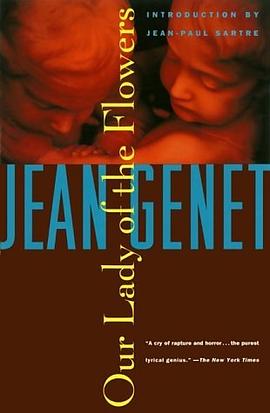
Our Lady of the Flowers
内容简介
Jean Genet's first, and arguably greatest, novel was written while he was in prison. As Sartre recounts in his introduction, Genet penned this work on the brown paper which inmates were supposed to use to fold bags as a form of occupational therapy. The masterpiece he managed to produce under those difficult conditions is a lyrical portrait of the criminal underground of Paris and the thieves, murderers and pimps who occupied it. Genet approached this world through his protagonist, Divine, a male transvestite prostitute. In the world of Our Lady of the Flowers, moral conventions are turned on their head. Sinners are portrayed as saints and when evil is not celebrated outright, it is at least viewed with a benign indifference. Whether one finds Genet's work shocking or thrilling, the novel remains almost as revolutionary today as when it was first published in 1943 in a limited edition, thanks to the help of one its earliest admirers, Jean Cocteau.
......(更多)
作者简介
Jean Genet was a French novelist, playwright, poet, essayist, and political activist. In his early life he was a vagabond and petty criminal, but he later became a writer and playwright. His major works include the novels The Thief's Journal and Our Lady of the Flowers and the plays The Balcony, The Maids and The Screens.
......(更多)
目录
......(更多)
读书文摘
......(更多)